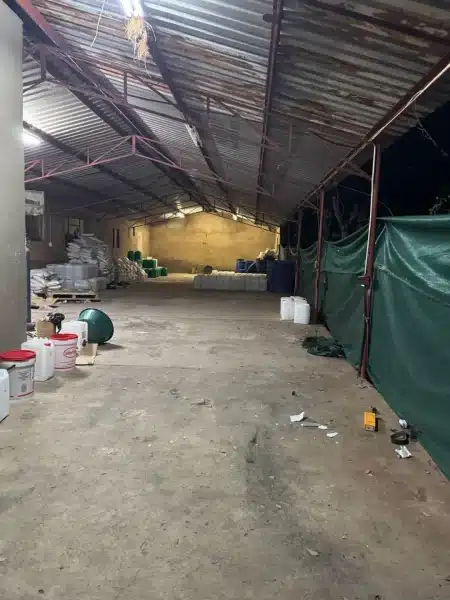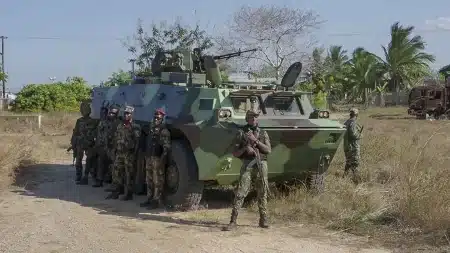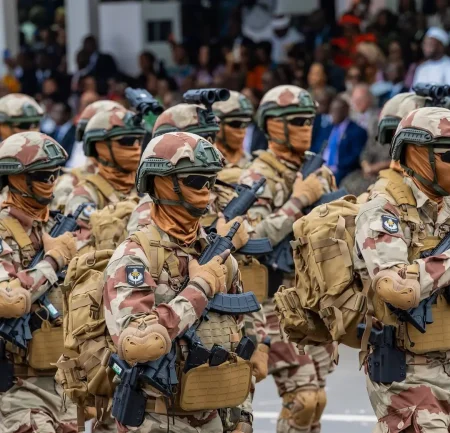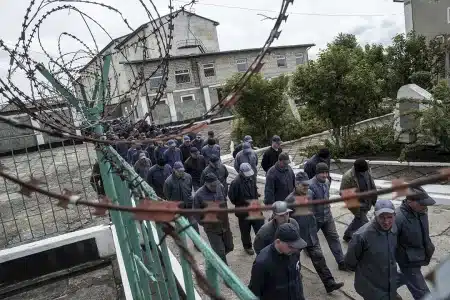


Conakry has intercepted a clandestine operational network embedded within its eastern administrative prefectures, revealing the first formalized linkages between localized criminal operations and the prominent Sahelian insurgent coalition, Jama’at Nusrat al-Islam wal-Muslimin (JNIM). A series of counter-terrorism interventions led to the neutralization of an multi-national cell managing sophisticated hostage-for-ransom operations designed to generate liquid capital for the al-Qaeda-affiliated group. Alongside financial logistics, state investigators uncovered wide-reaching digital radicalization rings utilizing encrypted mobile communication platforms to expand their operational reach toward coastal West African states.
Multi-National Hostage-for-Ransom Cells Intercepted
The sweeping anti-terror framework yielded the apprehension of 11 core operatives during coordinated raids cutting across the eastern prefectures of Siguiri, Mandiana, and Kankan. According to official disclosures finalized by Prosecutor General Fallou Doumbouya, the arrested cell displayed a highly integrated, cross-border composition that included seven Malian nationals, two Nigeriens, one Burkinabe, and one Guinean citizen.
The structural breakthrough intensified following the interrogation of a Malian operative identified as Fotigui Daou. Investigators confirmed that Daou operated as a vital logistical node for a dormant cell, leveraging a long-standing hostage-for-ransom network to extract financial liquid capital directly routed to subsidize active JNIM front lines in neighboring combat zones.
Digital Radicalization Networks Exposed
Beyond the physical containment of the illicit financing cells, intelligence units successfully compromised the group’s digital recruitment infrastructure. Strategic electronic data analysis exposed several JNIM-affiliated WhatsApp communication groups that had systematically enrolled and radicalized at least 513 distinct members under the direct management of the intercepted operatives.
The ongoing forensic investigation led to the subsequent arrests of two additional Guinean nationals who were identified as primary administrators directing the online radicalization operations. Security analysts tracking regional extremist movements emphasize that this calculated shift toward localized recruitment and virtual synchronization marks a strategic pivot for the militant coalition, which has increasingly sought to diversify its funding mechanisms away from open combat toward covert logistics and deep-seated ideological facilitation.
Vulnerabilities Along Shifting Frontier Corridors
The successful dismantling of these sleeper cells underscores the steady westward expansion of Sahelian insurgent elements out of primary theaters like Mali, which remains heavily affected by high-intensity conflict. While the al-Qaeda affiliate has not executed overt, asymmetric military assaults on sovereign Guinean territory, the group’s operational focus centers heavily on converting border zones into logistical sanctuaries.
Security assessments emphasize that Guinea’s highly porous 900-kilometer border with Mali creates a complex operational space, particularly across frontier communities tied to informal trade, artisanal mining concessions, and transit routes. Though defense authorities from both capitals have enacted bilateral protocols to fortify cross-border security cooperation, independent monitoring groups warn that monitoring these vast remote expanses remains an intricate challenge, requiring sustained vigilance against decentralized fundraising, recruitment cells, and long-term rear-base stabilization efforts.