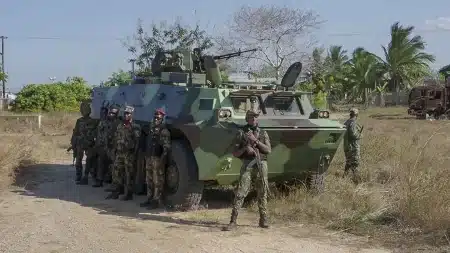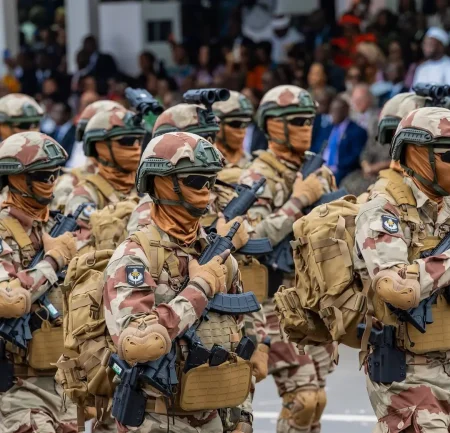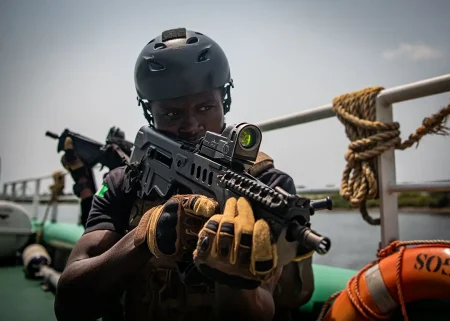
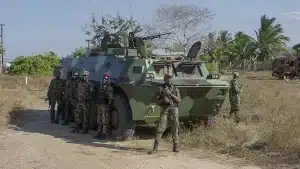


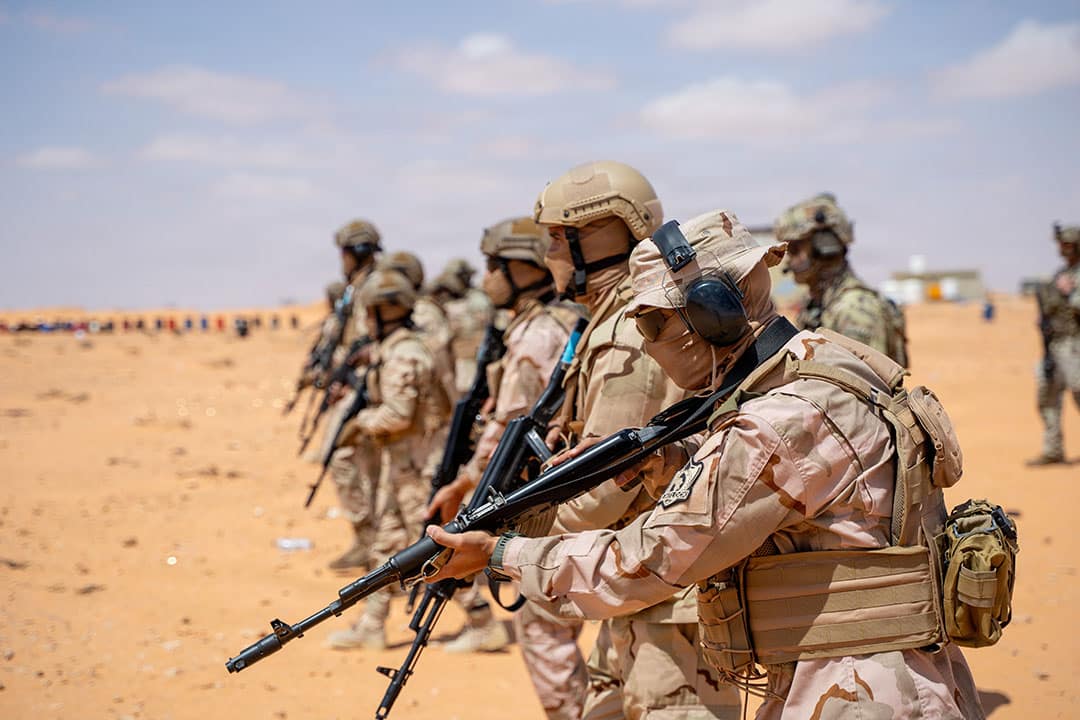
Rival military commands from eastern and western Libya have executed unprecedented joint training maneuvers alongside international special forces during the Flintlock 2026 defense exercise. This iteration marks the first time Libya has hosted an operational location for the high-profile maneuvers, creating a rare avenue for direct security collaboration between factions that have been deeply divided since the fall of the previous administration in 2011. Enacting joint command posts in the coastal city of Sirte, the dual forces engaged in combined tactical scenarios designed to counter expanding cross-border violent extremist organizations.
Unified Command Structures and Institutional Mediation
The synchronized participation of Libya’s competing forces was brokered and sustained by the 3+3 Libyan Joint Military Committee, a dedicated institutional framework consisting of six senior officers representing both the eastern-based Libyan National Army (LNA) and the western-aligned Government of National Unity (GNU). Backed directly by the United Nations Support Mission in Libya, the committee established a joint operations center in Sirte to manage planning, intelligence parsing, and field coordination throughout the multi-week drills.
The exercise focused heavily on aligning varying operational doctrines with unified command protocols. Running from April 14 to April 30, the maneuvers brought together approximately 1,500 service members representing more than 30 African and international partner nations. A parallel operational center was managed concurrently by West African forces in Jacqueville, Côte d’Ivoire, focusing on decentralized command-and-control capabilities across complex maritime and land domains.
Technological Shifts and Commercial Drone Integration
A prominent focal point of the 2026 drills involved adapting tactical units to rapid technological shifts on the modern battlefield, particularly regarding the proliferation of small unmanned aerial systems (sUAS). Field exercises emphasized the integration of low-cost, off-the-shelf commercial drones into standard Intelligence, Surveillance, and Reconnaissance (ISR) frameworks, while concurrently training operators in advanced electronic counter-UAS strategies.
According to Col. Kitchafolwori Sekongo, deputy commander of the Ivoirian Special Forces, the availability of commercial technologies has permanently altered the asymmetric threat landscape across the continent. Military panelists analyzing global tactical trends, including lessons learned from conventional conflict zones in Europe, observed that violent extremist groups are increasingly weaponizing commercial drones. Consequently, special operations personnel must master technical monitoring and asymmetric countermeasures to safeguard vulnerable territories.
Legal Integration and Regional Security Consolidation
The multinational exercise also prioritized strict adherence to international humanitarian law and civil-military integration, ensuring that tactical battlefield captures could seamlessly and legally transition into formal judicial processes. By standardizing evidence collection and operational transparency, coordinators aim to build resilient institutional systems that protect civilian populations while permanently dismantling insurgent infrastructure.
LNA and GNU representatives emphasized that the collaborative framework established in Sirte builds critical institutional trust and professionalism, bridging long-standing political impasses through transparent military-to-military engagement. Security analysts remain optimistic that the successful execution of this joint operating location will provide a necessary foundation for eventual state unification, reinforcing the regional consensus that individual nations cannot effectively degrade modern transnational terror networks in isolation.