


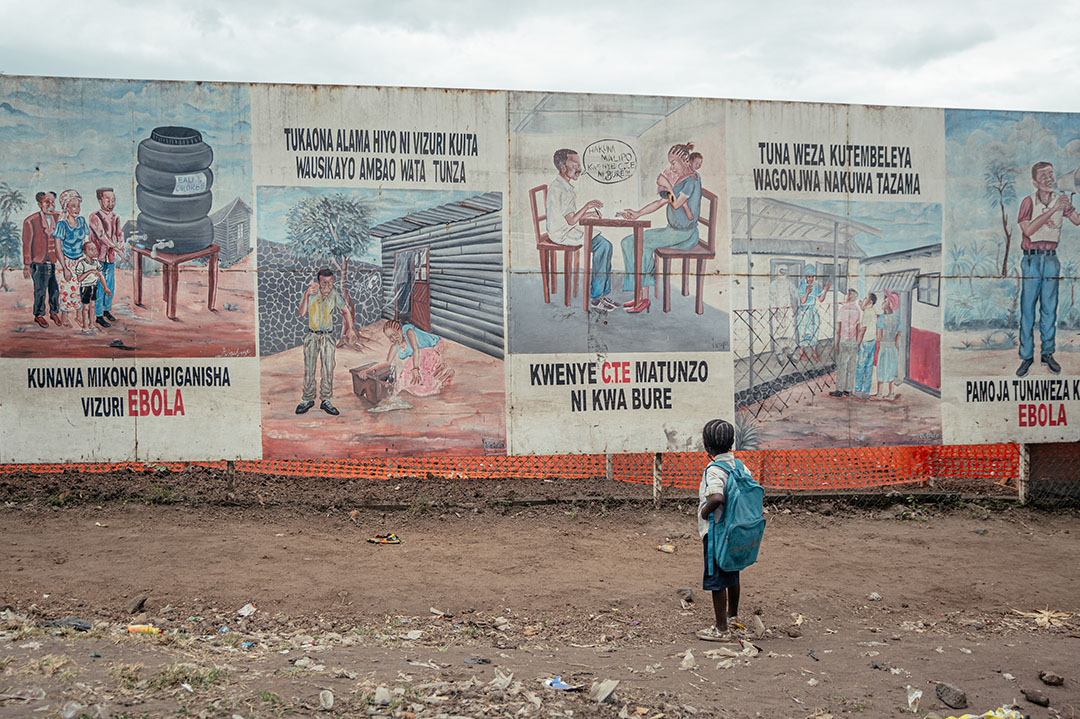
The Democratic Republic of the Congo (DRC) is battling a rapidly accelerating epidemic of Ebola that has registered more than 1,000 confirmed infections in a matter of weeks. Officially declared on May 15, 2026, the crisis represents the country’s 17th Ebola outbreak since the virus was first discovered in 1976. This specific multi-province emergency is heavily concentrated in the northeastern province of Ituri—the epicenter of the crisis—with secondary clusters spreading to North Kivu, South Kivu, and recently expanding into a fourth province, Haut-Uele.
The management of this public health emergency is severely complicated by active conflict involving local armed groups and transnational travel patterns. Furthermore, laboratory analysis has identified the underlying pathogen as the rare Bundibugyo virus strain. Unlike the more common Zaire variant, the Bundibugyo strain currently lacks an approved, licensed preventive vaccine or targeted therapeutic countermeasure, forcing health workers to rely entirely on classic epidemiological interventions: strict contact tracing, isolation protocols, and rapid case detection.
The Operational Mechanics of Community-First Containment
Public health administrators emphasize that overcoming a vaccine-deficient outbreak relies entirely on securing the absolute cooperation and trust of the civilian population. In past health emergencies, aggressive containment interventions led by state security forces backfired, cultivating severe public suspicion and driving symptomatic individuals into hiding. To counteract this trend, international emergency medical assets are prioritizing local feedback mechanisms to stabilize infected zones.
[Epidemiological Data Monitoring]
              │
              ▼
[Socio-Cultural Feedback Loops] ──► (Youth Forums, Women's Councils, Radio Programs)
              │
              ▼
[Targeted Local Interventions] ──► (Voluntary Isolation Support & Dignified Burials)
By establishing open communication vectors through regional radio call-in shows, youth assemblies, and women’s groups, response teams can directly isolate systemic rumors and adjust their clinical strategies in real time. This dynamic method empowers residents to air grievances, ask technical questions, and actively participate in safety operations—such as arranging culturally respectful yet medically secure burial services.
Mitigating Conflict Dynamics and Nutritional Strains
The current epidemic overlaps geographically with severe structural vulnerabilities, including regional conflict and humanitarian blockades that have left millions facing acute nutritional deficits. Medical experts and human rights organizations point out that health mandates cannot succeed if basic human sustenance is ignored.
-
Voluntary Isolation Compliance: Infected or exposed individuals are far more likely to adhere to voluntary isolation parameters when provided with reliable, localized food aid and basic survival resources.
-
Reducing Transmission Vectors: When designated treatment centers fail to provide basic sustenance to patients, family members are forced to hand-deliver food, exposing themselves directly to high viral loads within isolation blocks.
-
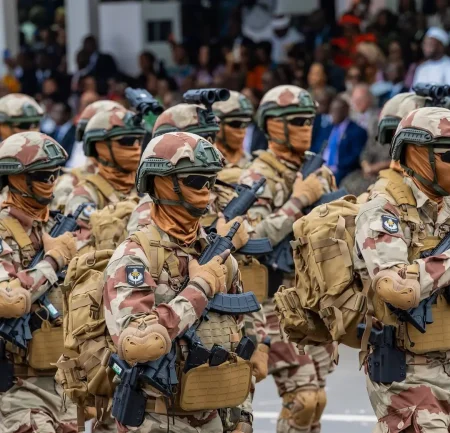
Limiting Security Implementations: Minimizing the direct involvement of armed security forces prevents the militarization of health zones, a factor that historically fractured community relations and lengthened previous containment efforts.
| Province | Outbreak Status | Primary Operational Bottlenecks |
| Ituri | Main Epicenter (90%+ of Cases) | Active armed conflicts, high-density mining migration, cross-border transit |
| North Kivu | Secondary Cluster | Displaced populations, high historical transmission zones |
| South Kivu | Limited Cluster | Fragmented local health architecture, deep regional isolation |
| Haut-Uele | Newly Affected Zone | Porous international borders next to South Sudan and Central African Republic |
Doctrinal Takeaway: True containment relies on a “Community Protection” blueprint. Overcoming a rare, vaccine-resistant viral strain requires balancing epidemiological rigidity with social safety nets, ensuring that vulnerable populations feel protected rather than coerced.