

The internal command structure of Sudan’s paramilitary Rapid Support Forces (RSF) is experiencing an unprecedented wave of high-level defections to the Sudanese Armed Forces (SAF). Driven by escalating tribal rivalries, internal pay disputes, and strategic battlefield friction, prominent frontline commanders are abandoning the militia. However, the SAF’s tactical decision to welcome these figures and grant them official military amnesties has sparked profound anger among civilian survivors, who accuse the defectors of orchestrating widespread atrocities during the ongoing civil war.
Internal Rifts Trigger High-Profile Defections
The fracturing of the RSF command matrix intensified following targeted internal clashes, notably a February assault on North Darfur’s Mustaraha pastoral area that alienated influential chiefs of the Mahariya clan. This tribal friction, combined with growing grievances over medical neglect and the unequal distribution of resources, has severely undermined the personal bonds that hold the paramilitary alliance together.
The SAF has actively exploited these systemic divisions, accepting several critical commanders into its ranks over the past several months:
-
Commander Abu Aqla Keikal (October 2024): The former head of the Sudan Shield Forces and RSF commander in Gezira State was the first major figure to switch allegiances, assisting the army in recapturing key territory in early 2025.
-
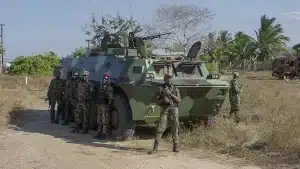
Major General Al-Nour “Al-Qubba” Ahmed Adam (April 2026): A vital commander in the Darfur theater, Al-Qubba surrendered more than 130 fully armed combat vehicles, a large contingent of loyalist fighters, and high-level tactical intelligence to the SAF.
-
Commander Ali “Al-Safna” Rizqallah (May 2026): A veteran of the intense operations in Kordofan and El Fasher, Al-Safna defected alongside his units and was quickly integrated into the regular military structure, appearing publicly in SAF uniform.
The Accountability Crisis and Civilian Backlash
While the SAF views these defections as a major intelligence and logistical coup, the strategy has generated severe domestic backlash. Many civilian survivors and human rights organizations argue that these commanders are utilizing the military’s amnesty framework—first declared by army chief Abdel Fattah al-Burhan—as a shield to evade international legal accountability for systematic human rights abuses.
Local populations point out that commanders like Al-Safna and Al-Qubba directed forces during the catastrophic 18-month siege of El Fasher, which UN investigators concluded bore the distinct “hallmarks of genocide.” Civilians who survived those raids report witnessing mass executions, systematic sexual violence, torture, and the widespread recruitment of child soldiers. The presence of these pardoned paramilitary figures operating freely alongside state forces has deeply strained the army’s domestic credibility and alienated vulnerable communities.
Escalating Humanitarian Catastrophe in El Obeid
Despite the fracturing of its leadership, the RSF continues to press its conventional military offensives, shifting its focus toward a total encirclement of El Obeid, the strategic capital of North Kordofan State. International monitors have issued urgent warnings that the city is on the verge of mirroring the humanitarian disaster previously documented in El Fasher.
[RSF Drone Strikes] ──► Destroys Power & Fuel Stations ──► Shuts Down Water Infrastructure
                                                                      │
                                                                      ▼
[Civilians Trapped] ◄── Evacuation Routes Blocked ◄── [Imminent Ground Offensive]
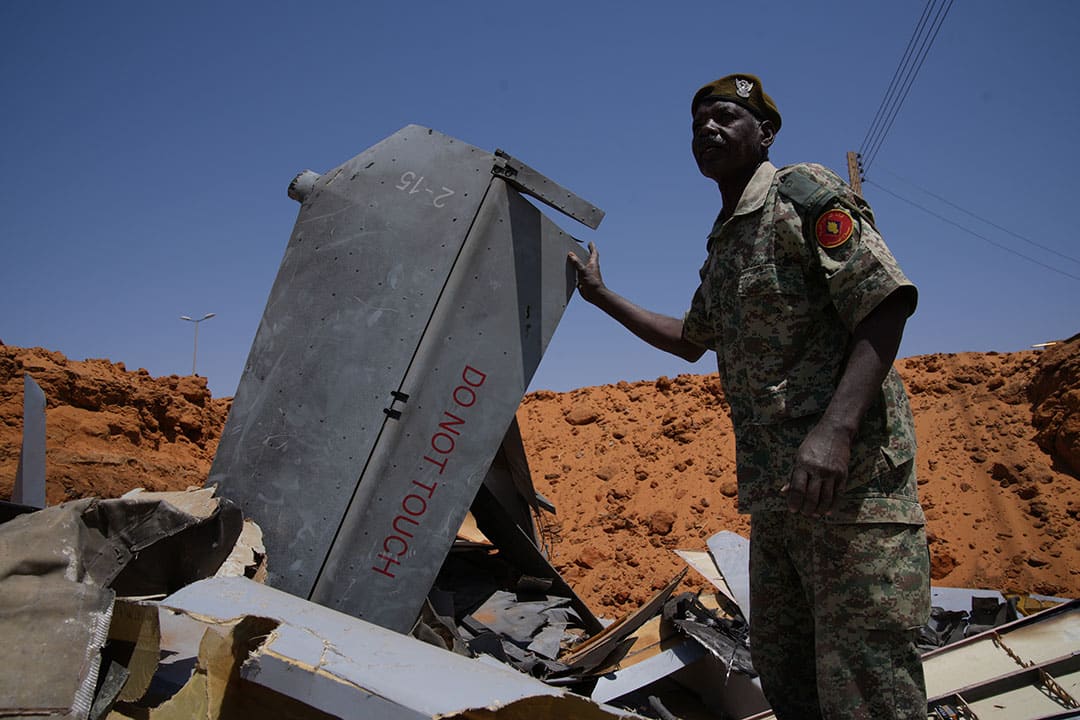
An intense ten-day wave of precision drone strikes in late June targeted El Obeid’s critical civilian infrastructure, including primary power substations and fuel depots. The resulting utility collapse has forced the closure of multiple frontline medical facilities and completely shut down municipal water pumping stations. An international coalition of 29 nations has warned the United Nations Human Rights Council that roughly 500,000 trapped civilians face immediate risk of large-scale targeted violence, prompting urgent calls for regional powers to intervene before evacuation routes are fully severed.