

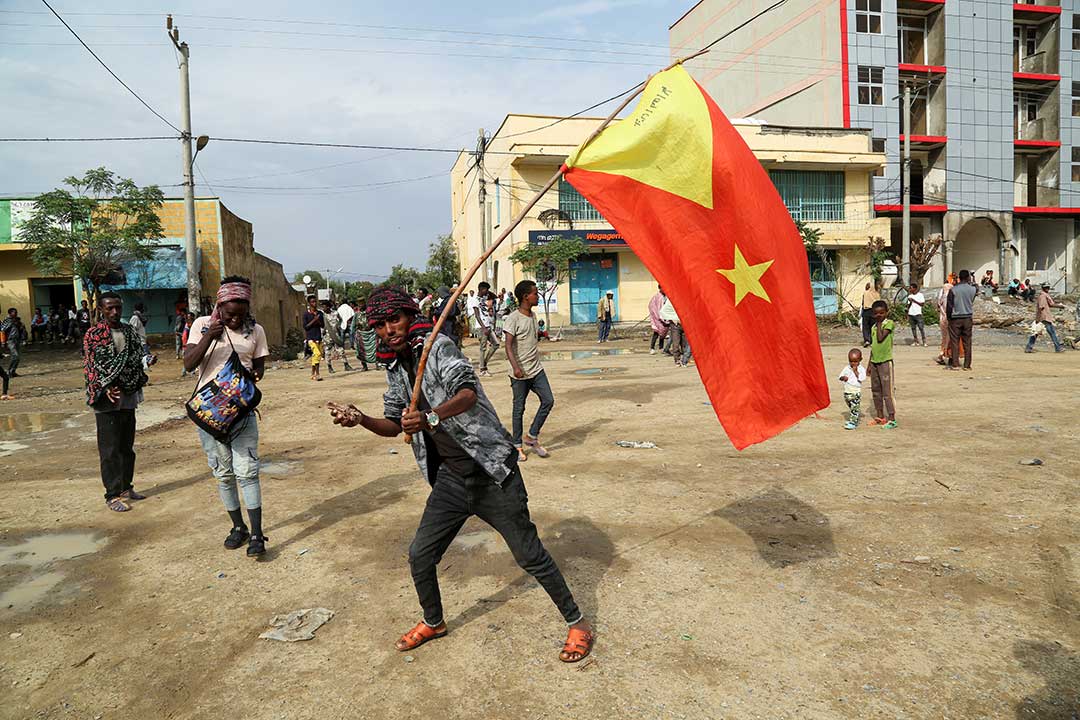
The Tigray People’s Liberation Front (TPLF) has executed a unilateral political restructuring in northern Ethiopia, announcing its formal reclamation of the regional government. This high-stakes move arrives as a direct affront to Prime Minister Abiy Ahmed’s federal administration, effectively fracturing the fragile stabilization framework established by the 2022 Pretoria Agreement and sparking deep international concern over a potential resumption of full-scale civil warfare.
Unilateral Reinstatement of Wartime Leadership
The political crisis intensified rapidly following the TPLF’s decision to reinstate the Tigray Government Assembly, a governing body that had been sidelined under post-war transitional protocols. In a swift consolidation of authority, the party returned its prominent wartime leader, Debretsion Gebremichael, to his former role as regional president alongside several top officials from the 2020–2022 conflict era.
This structural shift directly invalidates federal directives from Addis Ababa, where Prime Minister Abiy Ahmed had recently extended the mandate of the designated Interim Regional Administration by an additional year. By replacing the federally endorsed transitional leadership with its own wartime executive tier, the TPLF has effectively decoupled Mekelle’s regional governance from central authority, pushing the state toward a severe constitutional showdown.
The Western Tigray Flashpoint and Territorial Red Lines
Independent security analysts and conflict monitoring groups warn that the newly consolidated TPLF leadership is highly likely to pivot toward reclaiming western Tigray. This fertile, strategic territory represents a highly volatile disputed boundary that served as a primary flashpoint for mass displacements and intense fighting during the previous civil war.
                       HORN OF AFRICA STRATEGIC ALIGNMENTS

      [ SUDANESE ARMED FORCES ]            [ ERITREAN DEFENSE FORCES ]
                 |                                      |
                 v                                      v
     (Gedaref Border Deployment)             (Anti-Addis Foreign Axis)
                 |                                      |
                 +---------------> [ TPLF ] <-----------+
                                   (MEKELLE)
                                      ^
                                      |
                         [ FANO AMHARA MILITIAS ]
                       (Guerrilla Front Alignment)
Any attempted military or administrative push by the TPLF to forcibly re-occupy western Tigray is widely classified as an absolute red line for the federal government. Such an escalation would almost certainly trigger an immediate, large-scale counter-offensive from the Ethiopian National Defense Force (ENDF), threatening to plunge the northern highlands straight back into an armed conflict capable of duplicating the devastating humanitarian toll of the previous war.
Transnational Proxies and Overlapping Regional Alliances
The domestic political split has rapidly absorbed external geopolitical rivalries, creating a complex web of overlapping alliances across the Horn of Africa. The TPLF has increasingly aligned its strategic interests with Eritrea, driven by Asmara’s deep-seated animosity toward the Abiy administration and persistent fears regarding Ethiopia’s long-term maritime ambitions toward the Red Sea port of Assab. Simultaneously, the TPLF could find operational synergy with the Fano—ethnic Amhara militias currently waging their own decentralized guerrilla campaign against central government forces.
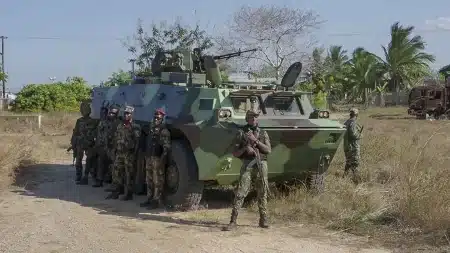
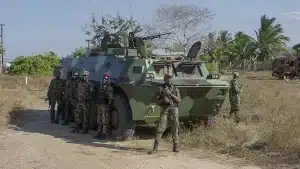
This fragile security dynamic extends further west along the Sudanese border corridor. Relations between Khartoum and Addis Ababa shattered following serious allegations that Ethiopia provided operational sanctuaries and launched drone assets to support the paramilitary Rapid Support Forces (RSF) fighting inside Sudan. In a direct military response, the Sudanese Armed Forces (SAF) heavily reinforced their deployments throughout Gedaref State, positioning troops and heavy weaponry directly adjacent to Ethiopia’s western Tigray and Amhara regions. Consequently, what began as a localized administrative dispute over regional governance has rapidly evolved into a systemic geopolitical crisis, threatening to draw multiple sovereign militaries into a sweeping, sub-regional war.