

The escalating military conflict in Sudan between the Sudanese Armed Forces (SAF) and the paramilitary Rapid Support Forces (RSF) is being structurally sustained by a highly lucrative parallel gold economy that completely bypasses formal banking channels. Despite catastrophic damage to the national infrastructure and the absence of clear tactical breakthroughs or meaningful ceasefire talks, both warring parties remain capable of securing sophisticated hardware due to uncontrolled cross-border mineral smuggling. This self-financing war apparatus has transformed Sudan’s primary natural resource into a direct currency for weapons, heavily disincentivizing any political compromise.
Illicit Trade Routes and Institutional Discrepancies
Sudan remains one of the five largest gold producers on the African continent, with national mines yielding 74.6 metric tons of the precious metal in 2025, according to the World Gold Council. This extraction sector has expanded dramatically throughout the conflict, generating over 70 percent of Sudan’s entire national revenue. However, the vast majority of this wealth bypasses state regulation entirely, leaving a severe deficit in the official national economy.
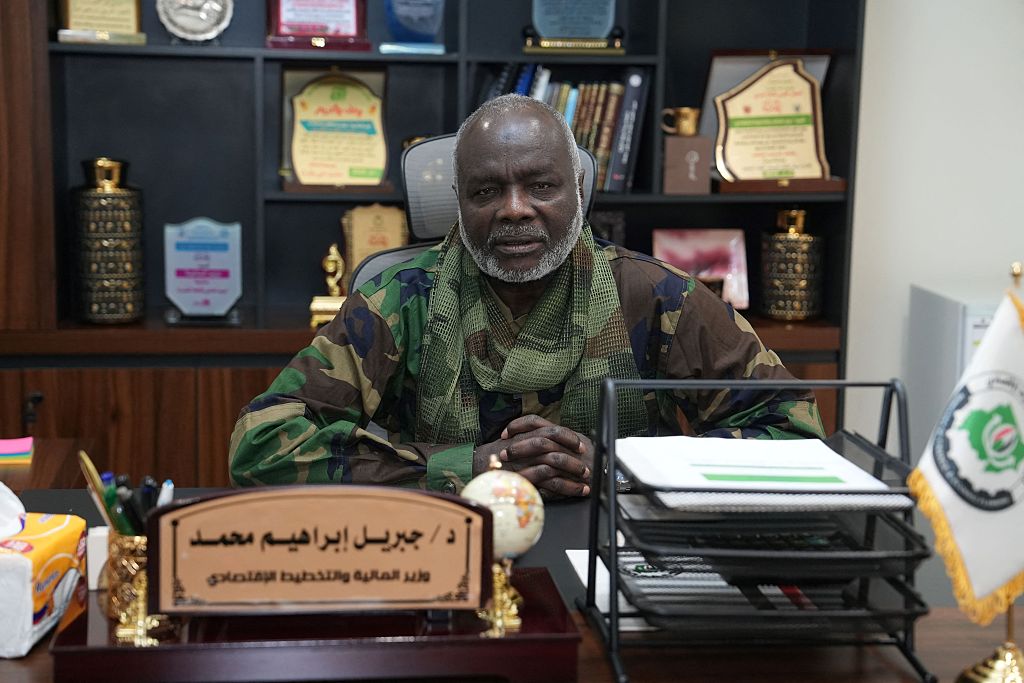
According to Gibril Ibrahim, the finance minister aligned with the SAF administration, merely 20 metric tons of the country’s total 2025 output passed through recognized state channels. The remaining volume is systematically trafficked across highly porous desert borders into neighboring territories, specifically moving through Egypt, Chad, and Libya before arriving in primary Middle Eastern bullion markets, most notably the United Arab Emirates.
Fragmented Control and Paramilitary Financial Networks
The geography of Sudan’s extraction industry reflects the fractured lines of territorial control dividing the country. The RSF maintains direct authority over lucrative mining hubs across the western regions of Darfur and Kordofan, leveraging strategic networks it established well before the outbreak of open hostilities. This parallel trade was heavily facilitated through collaborative logistics with Russian mercenary units, operating initially as the Wagner Group and later transitioning into the Africa Corps framework, since their initial arrival in 2015.
United Nations regulatory experts in 2024 documented that these complex transnational networks allowed the RSF to independently bankroll its military operations, distribute combat salaries, execute global lobbying initiatives, and purchase the allegiances of local armed factions. Conversely, the regular military command under the SAF oversees gold extraction across eastern Sudan, though a substantial portion of this output also moves through unregulated and informal networks. Research indicates that approximately 60 percent of the precious metal mined in the Northern, River Nile, and Red Sea states is smuggled north into Egypt, where it is laundered into legitimate commercial trading circuits before its final export to the Gulf.
Financial Liquidity Driving Military Maximalism
This fluid, cash-based mineral economy provides both获得belligerents with continuous external liquidity, rendering standard international financial sanctions and banking restrictions largely ineffective. Because gold can be directly exchanged for advanced armaments, including heavy artillery and weaponized unmanned aerial vehicles, neither the SAF nor the RSF faces immediate material depletion.
According to a report by Geopolitical Intelligence Services analyst Carlota Ahrens Teixeira, this independent financial architecture allows both factions to maintain a state of military maximalism. Security experts warn that as long as foreign logistical nodes and sovereign bullion markets continue to absorb these illicit flows unimpeded, both factions will remain motivated to pursue an absolute military victory, trapping the state in a permanent cycle of attrition.