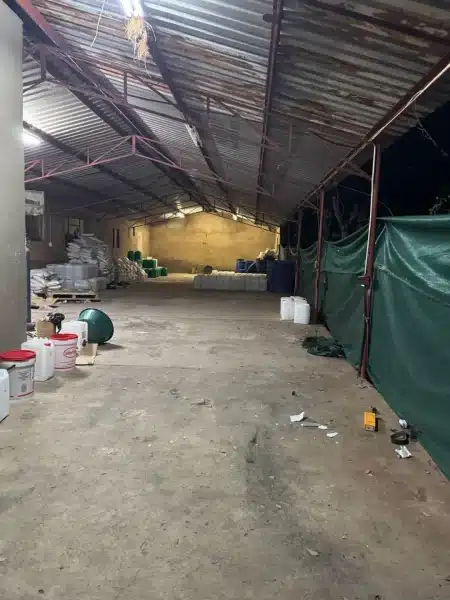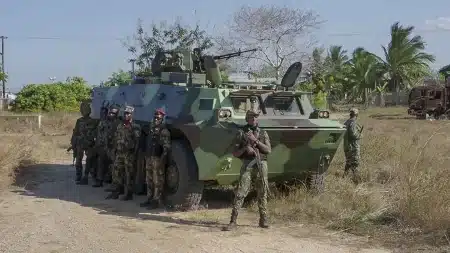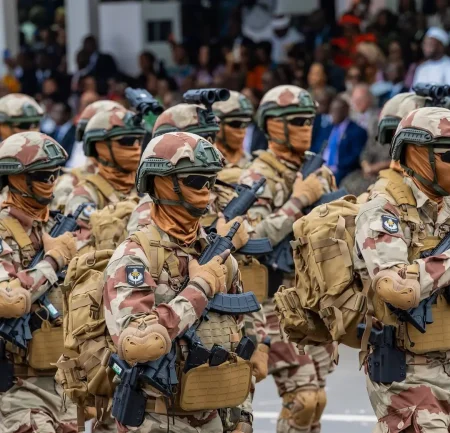


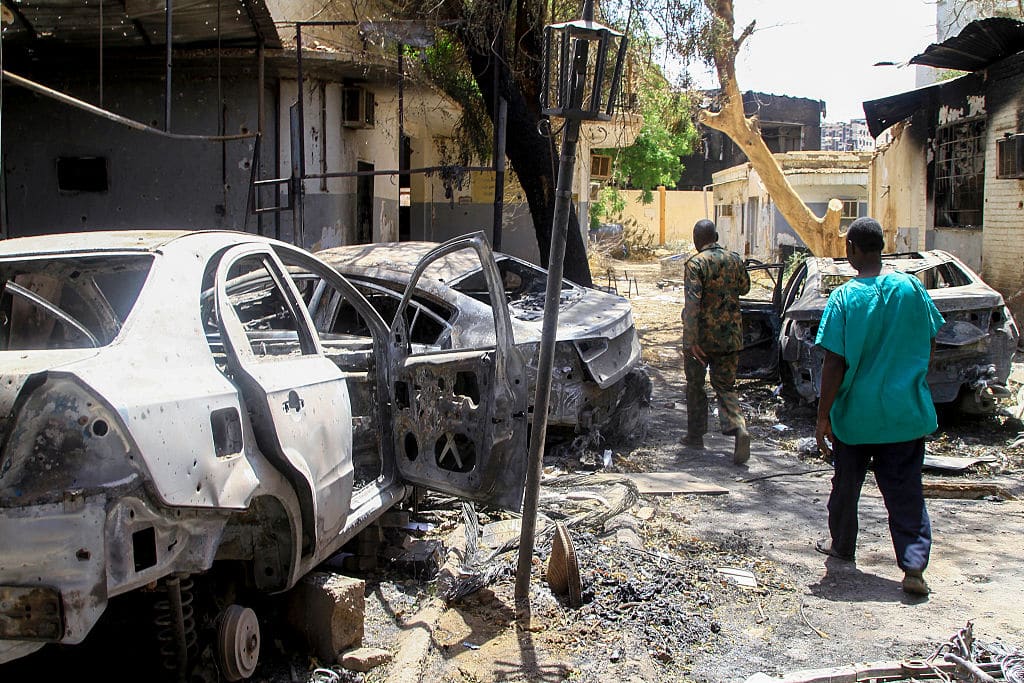
A wave of high-ranking defections within the paramilitary Rapid Support Forces (RSF) has significantly altered the tactical dynamics of Sudan’s ongoing civil war, providing the Sudanese Armed Forces (SAF) with vital intelligence and military hardware. Strategic shifts began accelerating following the departure of key field commanders, triggering internal command fractures and emboldening SAF conventional offensives across several critical fronts.
Strategic Commanders Abandon Paramilitary Ranks
The internal stability of the RSF faced a major blow following the defection of Maj. Gen. Al-Nour Ahmed “al-Qubba” Adam, a founding member of the paramilitary group. Al-Qubba transitioned to the SAF along with a loyalist detachment, high-level tactical intelligence, and more than 130 combat vehicles. His departure was followed by Brig. Gen. Ali “Al-Safna” Rizqallah, a commander who previously directed RSF operations in Kordofan and the contested city of El-Fasher.
These high-level exits follow the landmark defection of Abu Aqla Keikal, the former RSF commander in Gezira State. After joining the state military apparatus, Keikal led successful operations to reclaim the east-central region from paramilitary control. Military analysts indicate that these systematic departures deprive the RSF of seasoned tactical leadership, leaving front lines increasingly reliant on less-trained and less-effective combat elements.
Tribal Grievances and Internal Infighting
The friction within the paramilitary command structure is deeply rooted in tribal rivalries and internal administrative disputes. Tensions intensified following an RSF assault on the Mustaraha pastoral area in North Darfur, which targeted territory belonging to a prominent traditional leader of the Mahariya clan—the same ethnic group to which both Al-Qubba and Al-Safna belong. This internal friction was further exacerbated by disputes over medical logistics, compensation, and leadership appointments, including the bypassing of Al-Qubba for the governorship of North Darfur State.
Concurrently, broader paramilitary coalitions are showing signs of fragmentation. The Sudan Founding Alliance—an umbrella framework linking the RSF with non-Arab former rebel factions in Blue Nile and South Kordofan—has experienced an escalation in internal clashes, undermining the paramilitary’s cohesive operational capabilities.
Foreign Logistics and Mercenary Deployment
Despite these structural vulnerabilities, the RSF continues to maintain a heavily equipped presence on the battlefield, largely sustained by external logistical networks. Investigative reports from international watchdogs highlight the involvement of foreign contractors, including hundreds of Colombian mercenaries recruited via private security firms and trained abroad before deployment to active combat zones in Sudan.
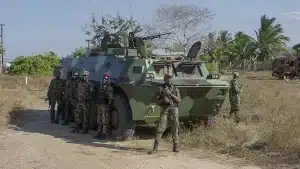
Furthermore, intelligence assessments indicate a steady influx of advanced foreign military hardware to the RSF, encompassing unmanned aerial vehicles, heavy machine guns, artillery, and armored vehicles. Security analysts emphasize that this extensive external material support remains the primary factor prolonging the paramilitary’s capacity to execute sustained offensive operations.
Escalating Humanitarian Toll and Civilian Casualties
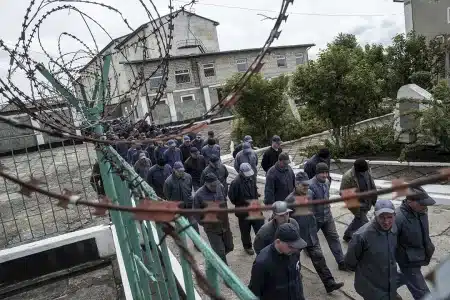
As the conventional battlefield shifts, the civilian population bears the primary burden of the escalating violence. A recent assessment by the United Nations Fact-Finding Mission on Sudan detailed systemic human rights violations committed by both factions, including a sharp rise in arbitrary detentions and torture.
The widespread deployment of weaponized drones in urban areas has proved particularly devastating, accounting for hundreds of civilian casualties in strikes hitting vulnerable infrastructure such as academic institutions, public markets, and medical facilities. International monitors warn that the ongoing gridlock and external arms flows are institutionalizing a culture of fear and repression across the country.