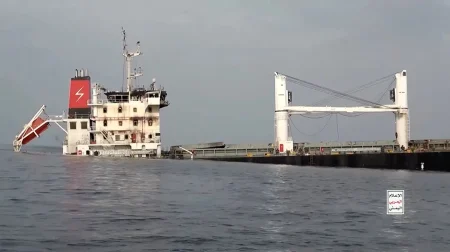



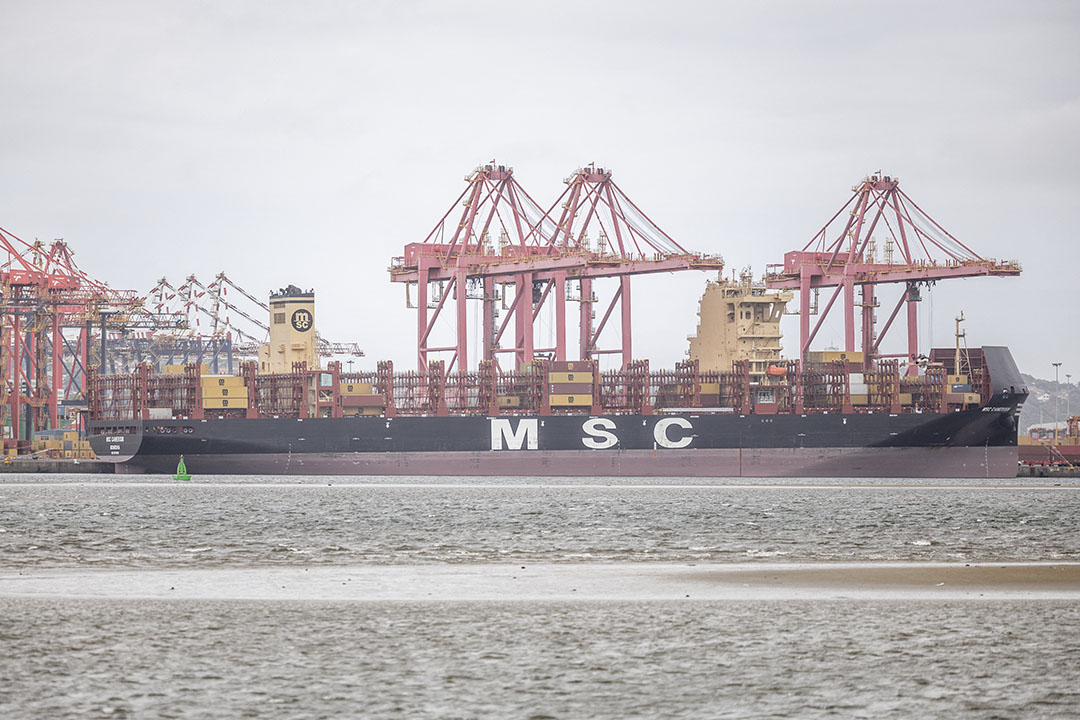
Escalating military conflicts, blockades, and piracy threats across the Bab-el-Mandeb Strait and the Strait of Hormuz have forced global shipping conglomerates to alter their traditional routes. To safeguard crews and commercial cargo from Middle Eastern maritime bottlenecks, hundreds of vessels are diverting around South Africa’s Cape of Good Hope. However, regional defense experts warn that this dramatic surge in vessel traffic is placing an unsustainable burden on South Africa’s maritime security infrastructure, exposing severe operational blind spots.
During a recent defense roundtable hosted at the University of Pretoria, researchers from the Institute for Security Studies (ISS) highlighted that the influx of diverted transit ships has exponentially increased the surveillance and monitoring liabilities along the region’s sea lines of communication.
Budgetary Strains and Operational Security Risks
The primary catalyst for South Africa’s current maritime vulnerability is a prolonged, systemic lack of funding for the South African National Defence Force (SANDF). Severe budget shortfalls have heavily restricted the South African Navy’s capacity to maintain patrol vessels and consistently deploy assets across the state’s extensive 4,000-kilometer coastline. Simultaneously, the South African Air Force suffers from a critical shortage of dedicated fixed-wing maritime patrol aircraft needed to sustain persistent wide-area aerial surveillance.
Transnational criminal networks are highly capable of exploiting these monitoring gaps. The dense, unscrutinized flow of transit ships expands the operational environment for illicit maritime activities, including:
-
Smuggling and Narcotic Trafficking: Interweaving illegal payloads within high-density commercial shipping lanes.
-
Illegal, Unreported, and Unregulated (IUU) Fishing: Exploiting unpatrolled coastal waters and marine protected zones.
-
Uninsured Transit Risks: Navigating hazardous coastal waters with substandard vessels, transferring potential environmental cleanup and maritime salvage costs to the coastal state in the event of an accident.
Institutional Inertia and Policy Recommendations
In 2014, Pretoria launched Operation Phakisa, an ambitious blue-water economy development initiative intended to optimize port efficiency, stimulate domestic shipbuilding, and enhance national maritime safety. While the program initially enjoyed significant political backing, security analysts note that it has severely lost momentum over the past decade, leaving a critical policy vacuum regarding active coastal defense coordination.
To rectify these institutional deficiencies, maritime security researchers are urging the executive branch to finalize and execute the long-delayed National Maritime Security Strategy. Analysts recommend formally empowering the Maritime Security Advisory Committee—an interdepartmental body designed to manage security screenings, track approaching vessels, and coordinate national emergency responses. Placing maritime defense at the core of government strategic planning is viewed as an essential step to move past reactive crisis management.
Shifting Toward Continental Naval Collaboration
The economic reality of the current shipping diversion complicates local response efforts. Data indicates that while container traffic rounding the Cape has surged, the vast majority of these ships transit without making port calls, allowing vessels to bypass local berthing fees, cargo-handling charges, and maintenance services while leaving South Africa to absorb the heightened environmental and security risks.
Addressing these hybrid threats requires a broader regional approach rather than narrow national isolation. Speaking at the 6th Sea Power for Africa Symposium held in Lagos, Nigeria, Chief of the South African Navy Vice Admiral Monde Lobese emphasized that modern maritime challenges combine conventional and non-conventional tactics. Protecting these vital shipping corridors must therefore evolve into a collaborative, continent-wide African imperative, linking regional naval intelligence and assets to secure shared ocean resources.