


Harare has abruptly halted the exportation of lithium concentrates following growing allegations of corporate misconduct, illegal smuggling, and labor exploitation involving Chinese-owned mining operations. The unexpected suspension, enacted by the Ministry of Mines, accelerates a planned export ban by a full year as Zimbabwe moves to mandate domestic processing of its vast mineral wealth. This regulatory crackdown arrives amid intensifying domestic outrage over environmental degradation and human rights abuses documented within the country’s strategic mining sector.
Accelerated Export Ban and Smuggling Investigations
The government’s sudden policy shift was triggered by the discovery of unauthorized Zimbabwean mineral stockpiles at the Port of Beira in neighboring Mozambique. This breach prompted an immediate investigation into potential violations of existing raw ore restrictions, leading authorities to enforce a blanket export ban ahead of schedule. Zimbabwe aims to force foreign investors to process raw lithium into battery-grade materials domestically, keeping a higher share of the supply chain value within the country.
Presidential spokesperson George Charamba emphasized that the administration’s position remains focused on ensuring domestic value addition for national minerals. He warned that law enforcement and port authorities would work closely with Mozambican officials to address any illegal cross-border shipments swiftly and hold violators accountable.
Economic Dominance and Environmental Concerns
Zimbabwe holds Africa’s largest lithium deposits and ranks sixth globally, with the mining sector generating approximately 14.5% of the nation’s gross domestic product and 75% of national exports. Chinese corporations currently control nearly 90% of this industry, having exported 1.128 million metric tons of lithium-bearing spodumene concentrate to China in 2025 alone—an 11% increase from the previous year.
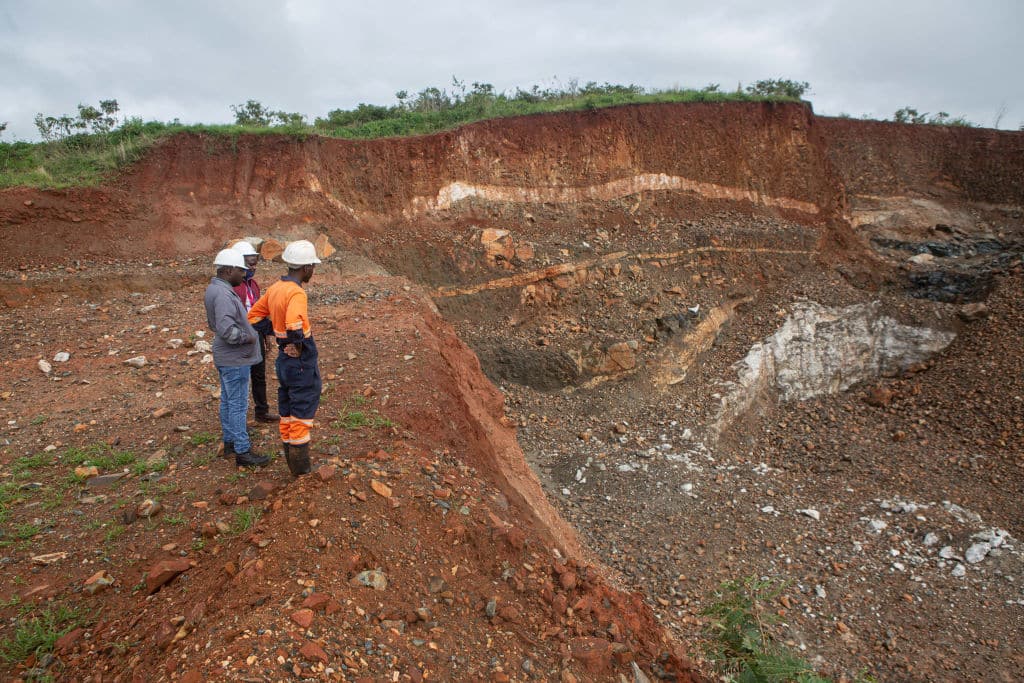
However, local communities and environmental advocates report that this intensive extraction has come at a severe cost. Residents living near major mining concessions face severe groundwater depletion, chemical water contamination, and hazardous dust pollution, leading to accusations that foreign firms operate with minimal accountability.
Human Rights Violations and Labor Unrest
The Zimbabwe Congress of Trade Unions (ZCTU) has repeatedly called for government intervention, citing systemic disregard for safety procedures, hazardous working conditions, and meager wages at foreign-operated sites. Labor representatives note that some operators claim protection from local officials, allowing them to bypass national labor laws.
Public outrage peaked following severe incidents of violence, including an October 2025 fatal shooting of a local resident by a foreign security supervisor at a mining site in Mashonaland East province. Trade union leadership has warned that treating foreign investment as a shield for exploitation undermines the rule of law and national sovereignty, urging the government to ensure its economic policies do not permit corporate impunity.