
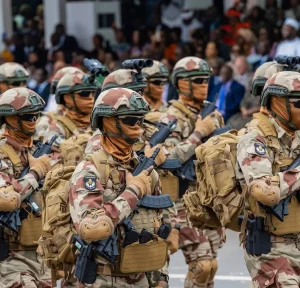


Material Science and Moisture Mitigation
Mastering extreme day-to-night temperature fluctuations requires integrating polymer blends and phase-change materials directly into the fabric matrix. These specialized textiles regulate the skin’s microclimate by absorbing excess body heat during peak daylight hours and releasing it back to the wearer when temperatures drop after dark. This thermal balancing mechanism helps maintain physiological stability and prevents acute exhaustion during prolonged field assignments.
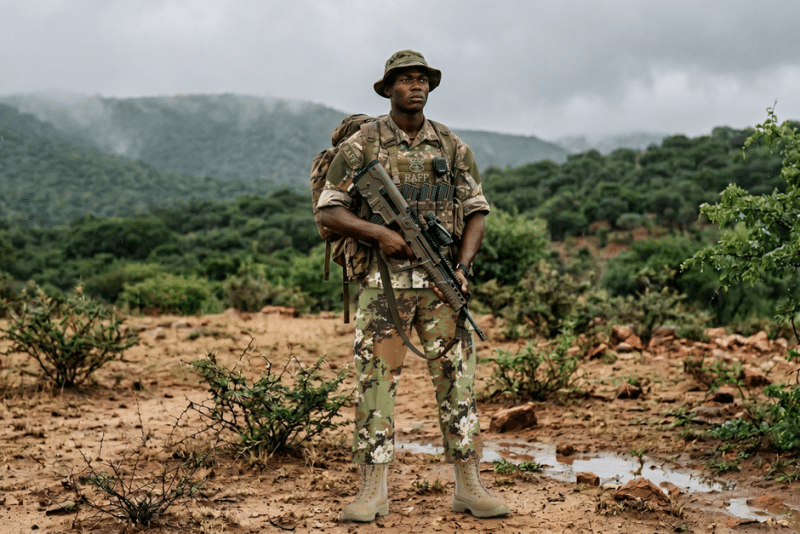
In rain-soaked jungle regions and marshy borders, moisture management is equally vital for operational effectiveness. Unmanaged sweat and waterlogged uniforms degrade mobility and cause debilitating skin damage. Modern tactical uniforms overcome this by pairing hydrophobic outer fibers with internal moisture-wicking technology. This specialized dual-layer weave mechanically pushes sweat away from the body for rapid evaporation while preventing external rainfall or river water from penetrating the core fabric layers.
Dual-Layer Biological and Thermal Protection
Beyond severe weather patterns, humid African ecosystems expose security forces to dangerous biological vectors, including mosquitoes transmitting malaria and ticks carrying Crimean-Congo hemorrhagic fever. Advanced defense textiles resolve this by permanently bonding non-allergenic Permethrin into the fabric fibers, disrupting the nervous systems of disease-carrying insects upon contact. This built-in biological defense layer is engineered to remain highly effective even after numerous industrial wash cycles.
Crucially, this permanent insect-repellent framework is combined with flame-resistant characteristics to provide all-in-one survivability. Extending thermal fire protection from specialized vehicle crews to regular frontline infantry represents a major doctrinal upgrade, safeguarding personnel against sudden battlefield thermal hazards and improvised explosive devices.
Specialized Material Configurations for Defense Procurement
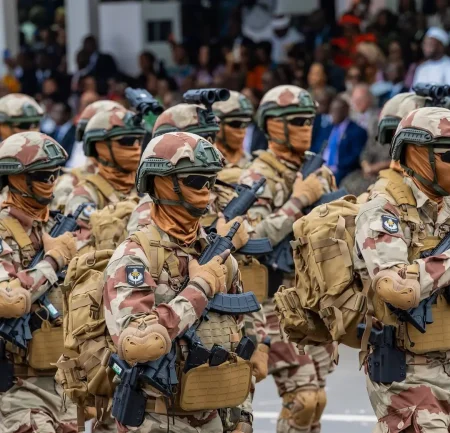
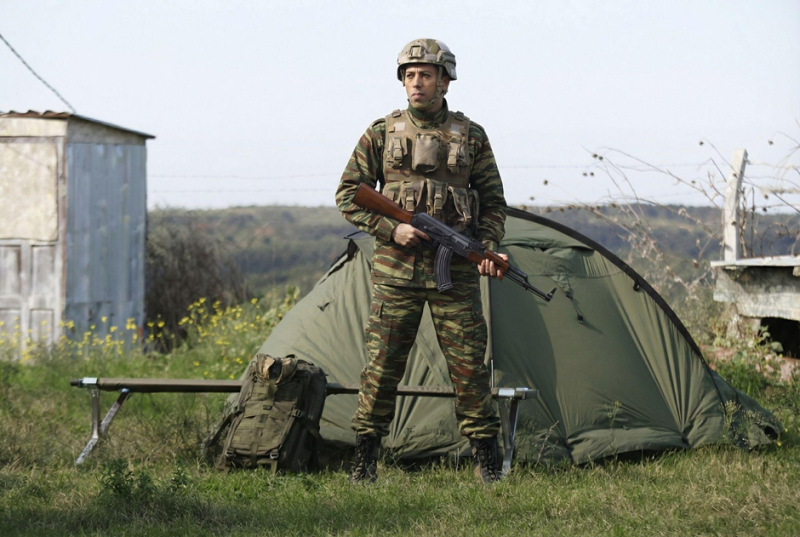
Modern defense logistics agencies are increasingly abandoning generic, one-size-fits-all uniform options in favor of customized material configurations tailored to regional climate datasets. Manufacturers develop specific material blends depending on whether a unit is deployed to desert borders or equatorial forests.
Common high-performance configurations include:
-
Lightweight Aramid/Viscose Knits: Highly breathable blends engineered primarily for high-temperature regulation and fire resistance in arid zones.
-
High-Tensile Nylon/FR Viscose Ripstop Weaves: Durable, tear-resistant materials designed to survive dense jungle terrain while offering enhanced water repellency and flame protection.
By matching localized environmental challenges with precise fiber engineering, regional ministries can ensure their security forces receive long-lasting gear that actively enhances operational capabilities and frontline survival rates.