

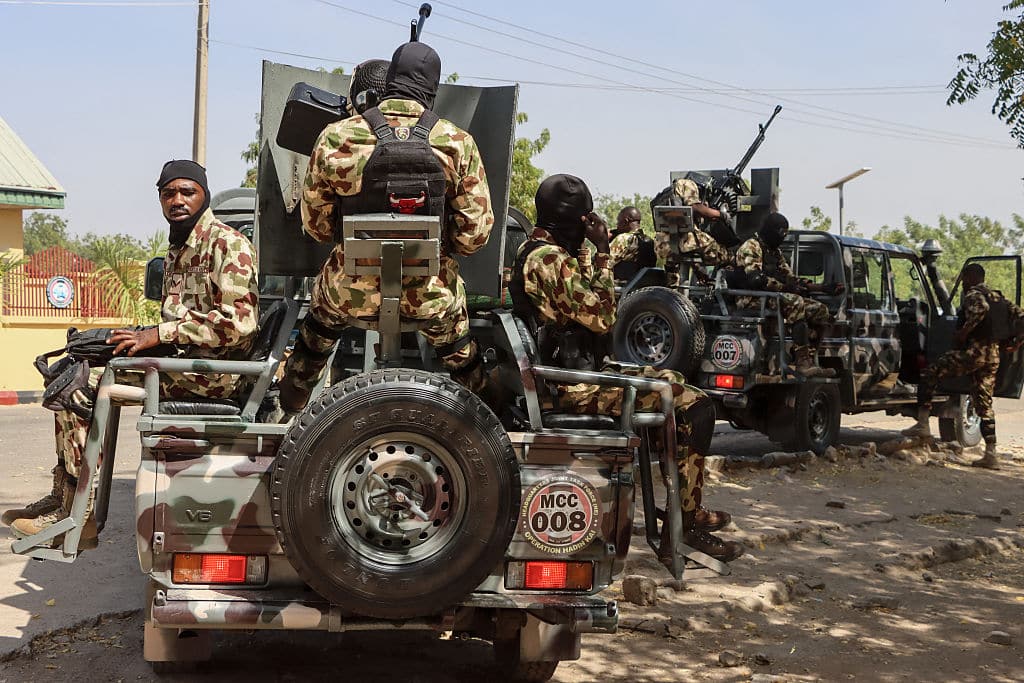
A highly coordinated, multi-month intelligence and surveillance operation conducted jointly by Nigerian and United States security frameworks culminated in the successful neutralization of a top-tier Islamic State operative in northeastern Nigeria. The targeted strike in Borno State’s Metele region resulted in the death of Abu-Bilal al-Minuki, a prominent figure identified as a critical coordinator within the global Islamic State hierarchy and a leading administrative strategist for the Islamic State West Africa Province (ISWAP).
Multi-Agency Surveillance Network and Tactical Patience
The successful outcome of the mid-May operation relied on an extensive, synchronized intelligence apparatus that merged resources across domestic and international security bodies. Parallel tracking efforts involved Nigeria’s Department of State Services, the National Intelligence Agency, the Defence Intelligence Agency, and specialized military intelligence components operating under the regional counter-insurgency umbrella of Operation Hadin Kai, working alongside U.S. Africa Command (AFRICOM).
Rather than launching an immediate tactical strike upon initial detection, interagency commands exercised prolonged operational patience. Analysts utilized a comprehensive matrix of human intelligence, real-time signals monitoring, tactical battlefield observations, and data harvested from detainee interrogations to map out the target’s movements across metropolitan and rural zones. This continuous monitoring allowed investigators to fully diagram the operational relationships, logistical nodes, and high-level internal networks supporting the commander.
Mapping Transnational Coordination and Urban Recruitment
Intelligence tracking revealed that al-Minuki maintained fluid transit lines connecting key urban hubs, including Kano, Damaturu, and Maiduguri. During these transits, he coordinated closely with key regional figures, including field operatives Ismail Dan-Hajia and Umar, alongside Ibrahim Ayuba (Abu Ayuba), a prominent regional commander operating out of the heavily contested terrain southwest of Maiduguri known as the Timbuktu Triangle.
The operational mapping exposed the breadth of al-Minuki’s institutional role, proving he functioned as a central connective element linking West African cells to the broader international terrorist network. He directed high-level financial transfers, coordinated cross-border propaganda operations, and managed sophisticated procurement networks dedicated to weapons acquisition, improvised explosives manufacturing, and the integration of weaponized unmanned aerial vehicles. Furthermore, his presence in major metropolitan areas highlighted an ongoing strategy by the militant group to establish deep-seated urban logistics hubs and target vulnerable local youth for recruitment.
Command Decapitation and Structural Disruptions
The early morning precision operation successfully dismantled a substantial portion of the group’s regional administrative leadership. Alongside al-Minuki, the strike neutralized his son-in-law and prominent field commander Abu Huraira, weapon procurement and logistics lead Ba Yuram, and personal security chief Mallam Haruna.
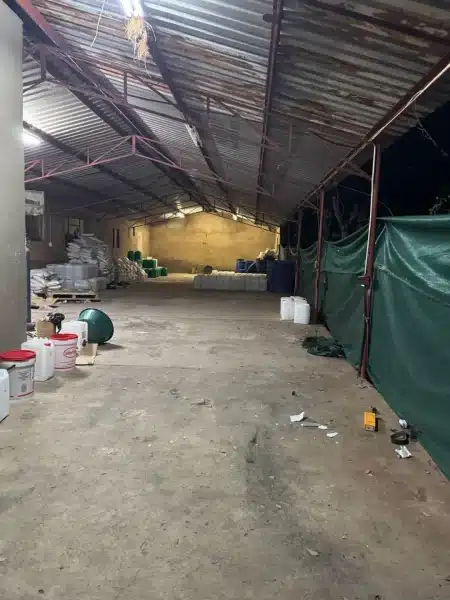
Subsequent battle damage assessments confirmed the total destruction of multiple tactical vehicles, supply depots, and hidden logistical hubs used to sustain regional operations. Security experts indicate that while the elimination of such a highly protected figure delivers a severe symbolic blow to the organization’s perceived invulnerability, the practical disruption to ISWAP’s financial distribution channels, administrative cohesion, and technical drone development programs represents a significant turning point in the regional counter-extremism campaign.