
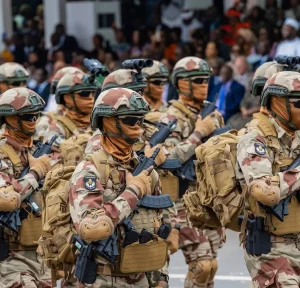

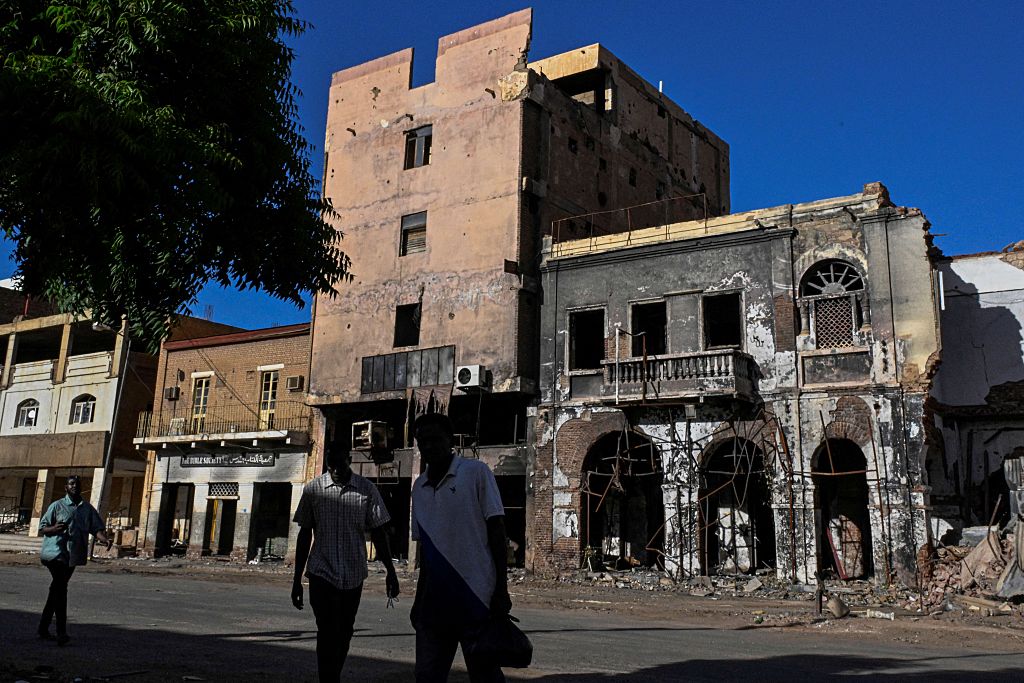
The Sudanese Armed Forces (SAF) and the rival paramilitary Rapid Support Forces (RSF) are waging an aggressive propaganda war across digital and broadcast networks to sway domestic and international perceptions. This information conflict, ongoing since the outbreak of the three-year-old civil war, involves expansive networks of online commentators, automated systems, and strict information blockades. Independent security researchers observe that the resulting saturation of conflicting narratives has deeply fractured Sudanese civil society, leaving external observers and local citizens struggling to verify ground realities.
State Dominance and Censorship Vectors
As the de facto governing authority in the East African nation, the SAF holds a massive structural advantage through its absolute control over national public broadcasters and domestic state media. Audience metrics from the first half of 2025 reveal that the SAF’s top ten digital platforms commanded a audience of 13.3 million users, vastly outstripping the RSF’s direct digital footprint of 375,000. To preserve this advantage, General Abdel Fattah al-Burhan’s administration has instituted stringent media blackouts, including the total suspension of major international networks like Al Arabiya, Al Hadath, Sky News, and Al Sharq TV.
The Ministry of Culture and Information enforces strict boundaries by declaring any independent reporting on paramilitary activities as fundamentally unpatriotic. Furthermore, all local and international journalists remain legally barred from broadcasting live field developments outside the secure governmental hub of Port Sudan without express official authorization. This tight informational lock leaves the narrative primarily driven by government ministries and anonymous, highly popular pro-SAF YouTube commentators like al-Bashoum and al-Insirafi.
Paramilitary Astroturfing and Narrative Rehabilitation
Deficient in conventional television and radio infrastructure, the RSF relies heavily on alternative digital strategies, automated bot networks, and external assistance to execute its information campaigns. Research indicates that the paramilitary group heavily utilizes specialized troll farms based directly within RSF-controlled enclaves as well as infrastructure located in the United Arab Emirates. This coordinated network serves to systematically reconstruct the public profile of RSF leader General Mohamed Hamdan “Hemedti” Dagalo, attempting to transition his international image from a former commander of the notorious Janjaweed militias into a viable, democratic national statesman.
This digital rehabilitation campaign focuses extensively on rewriting contemporary history, explicitly downplaying the group’s historical involvement in the 2003 Darfur massacres and the lethal suppression of peaceful demonstrators during the 2019 ouster of Omar al-Bashir. Simultaneously, the RSF positions itself online as a champion of democratic transition and structural reform, masking the severe paramilitary violence currently being deployed against vulnerable civilian populations across Darfur and adjacent provinces.
Artificial Amplification and Public Gaslighting
Data analysis shows that neither belligerent relies exclusively on genuine domestic support to amplify their wartime messaging. Investigations into pro-SAF social media traffic conducted by specialized digital analytics firms like Valent Projects revealed that a vast percentage of online interactions pushing for increased military escalation were entirely fabricated. Security experts describe this orchestrated inflation of hawkish sentiment as a deliberate attempt to gaslight the population, effectively drowning out authentic Sudanese civic voices calling for an immediate end to hostilites.
Ultimately, the convergence of heavy state censorship, decentralized influencer networks, and foreign-supported bot operations has turned Sudanese cyberspace into a volatile battlefield. By systematically undermining the quality and authenticity of real-time conflict data, both armed factions have reduced social media into a highly weaponized tool of psychological warfare. The collapse of an objective information ecosystem has profound operational consequences, preventing regional bodies like the African Union and Intergovernmental Authority on Development (IGAD) from accurately evaluating humanitarian crises on the ground.