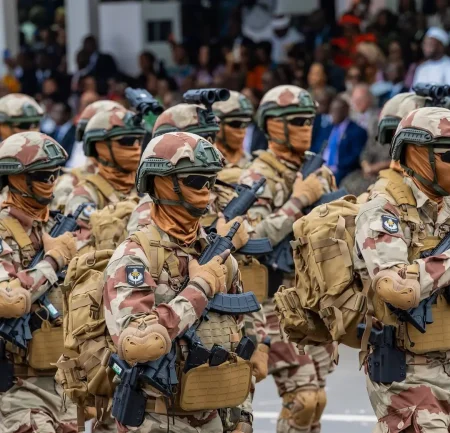
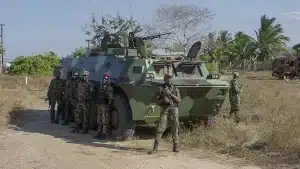


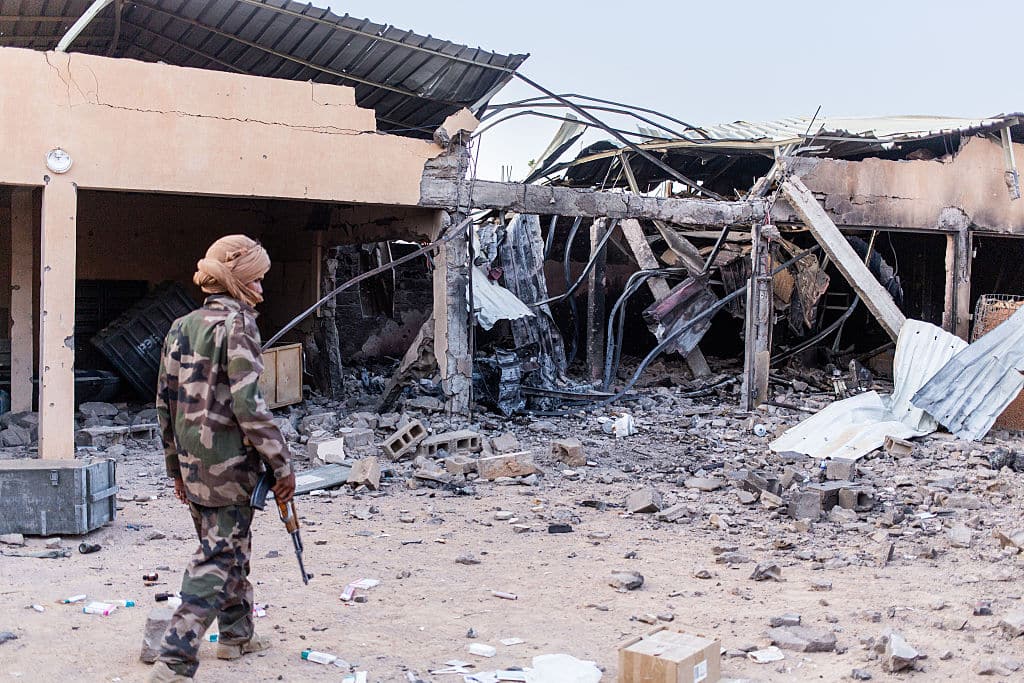
A wave of military pacts between Moscow and several African capitals has failed to stem the expansion of violent extremism across the continent, according to security analysts. Despite high initial expectations from regional leaders turning to Russia for intelligence sharing and combat training, the deployment of state-backed mercenaries has yielded few tactical victories against jihadist insurgencies. Instead, these short-term agreements have increasingly pivoted toward safeguarding ruling juntas rather than neutralizing persistent terrorist networks.
Expanded Footprint and Structural Shortcomings
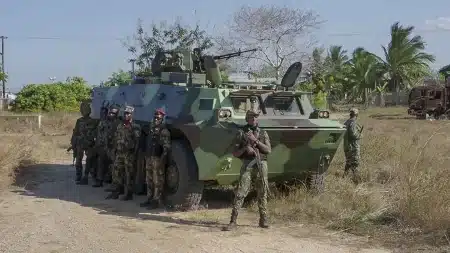
Togo recently became the latest West African nation to establish defense cooperation with Moscow, seeking to block the southward spillover of extremist violence from the Sahel. This follows years of extensive deployments by Russian paramilitary structures—formerly the Wagner Group and now operating under the Africa Corps banner—in Mali, Burkina Faso, and Niger. These forces were originally invited by military authorities to combat local affiliates of al-Qaeda, such as Jama’at Nusrat al-Islam wal-Muslimin (JNIM), and the Islamic State.
However, independent research indicates that the heavy-handed tactics and indiscriminate conduct of these foreign forces have alienated local populations, inadvertently driving civilians toward militant factions. Security experts observe that Moscow has demonstrated minimal capability or intent to address the deep-seated governance deficits or political grievances that fuel these long-standing insurgencies.
Transactional Agreements and Resource Exploitation
Analysts at the Institute for Security Studies (ISS) characterize Russia’s security architecture on the continent as largely opportunistic and transactional. While Moscow secures an enhanced geopolitical profile and international leverage, its engagements are designed around a dual framework: guaranteeing the survival of isolated ruling regimes in exchange for direct access to strategic natural resources.
This operational blueprint was refined in the Central African Republic, where mercenaries arrived in Bangui in 2018. Under a framework funded through lucrative gold and diamond mining concessions, foreign operatives rapidly integrated into the state apparatus—managing presidential security, providing national security counsel, and controlling border and customs operations. Concurrently, joint operations with local armed forces drew widespread condemnation from human rights organizations for abuses against civilian communities.
Geopolitical Isolation and Resource Constraints
The strategy has continued to expand, with an Africa Corps deployment to Equatorial Guinea to reinforce the administration in Malabo, alongside similar diplomatic overtures directed at governments in Guinea and the Republic of the Congo. In the Sahel, the decision by military juntas to expel Western military personnel and United Nations peacekeepers has left these administrations exclusively reliant on Moscow for defense stability.
This singular dependency leaves regional authorities vulnerable as Russia struggles to fulfill its strategic commitments. The presence of foreign mercenaries has not arrested the territorial expansion of JNIM or the Islamic State. Furthermore, with Moscow’s financial resources heavily diverted toward its ongoing campaign in Ukraine, the Kremlin lacks the economic capacity to offer meaningful reconstruction or development assistance to its African partners, signaling that the limits of its regional influence may have already been reached.