

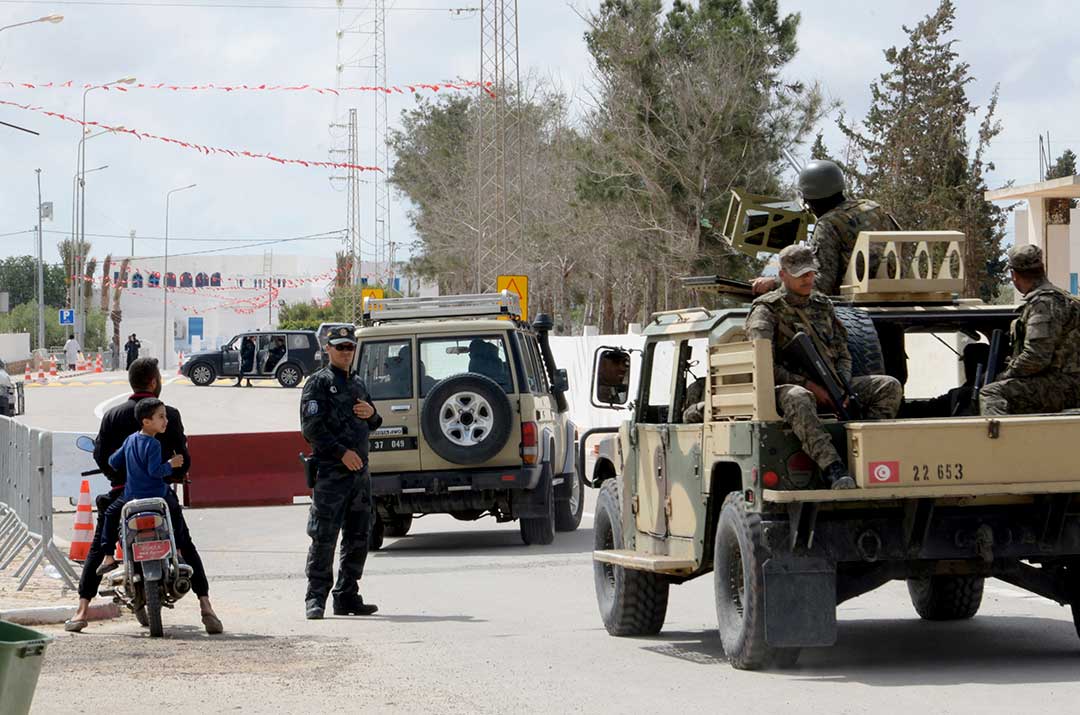
Tunisian counter-terrorism units neutralized two distinct extremist cells in the western governorate of Kasserine earlier this year, demonstrating heightened operational readiness amid persistent low-level security threats. In early January, a targeted preemptive strike near a crowded weekly market resulted in the elimination of Seddik El Abidi, a local commander of the Islamic State-affiliated Jund al-Khilafa battalion. Weeks later, specialized intelligence tracking guided border units to a separate hideout near the Algerian frontier, where a four-member family cell was completely dismantled after one insurgent detonated a suicide vest during the standoff.
Tactical Realities and Background of the Conflict
The successful operations highlight the highly contained yet enduring nature of militancy within Tunisia’s rugged western highlands. Security experts observe that these networks have become fragmented and structurally isolated, lacking the coordination required to stage major urban offensives in the capital, Tunis. The current operational environment reflects a massive de-escalation since 2015, when major massacres at a Sousse beach resort and other venues prompted authorities to invoke a nationwide state of emergency. Apart from an isolated shooting at a Djerba synagogue in May 2023, the military has successfully kept the threat confined to deep mountain survival pockets.
Operational data underscores the high tempo of these security sweeps across the North African nation. Throughout 2025, Tunisian intelligence services and specialized counter-terrorism brigades successfully disabled 62 terrorist cells, leading to the apprehension of 2,038 individuals linked to extremist activity. Over the same 12-month period, state security agencies recorded a total of 2,058 insurgent-related acts, illustrating the continuous pressure maintained by state forces to prevent cells from regenerating.
Strategic Framework and Civil Liberties Concerns
Tunisia’s long-term containment strategy relies on an institutionalized security apparatus backed by sweeping legal powers. In January 2026, President Kais Saied extended the decade-long nationwide state of emergency through the end of December, formalizing advanced judicial and tactical privileges for law enforcement. This framework permits the Ministry of the Interior to carry out warrantless property searches, implement localized curfews, restrict public assemblies, and monitor media broadcasts to prevent radicalization.
While these comprehensive security measures have granted the military absolute operational superiority over remaining armed factions, they have drawn continuous condemnation from domestic and international human rights organizations. Critics argue that the indefinite extension of emergency rule removes essential judicial oversight and falls short of international legal standards protecting civil liberties. Nevertheless, with advanced border surveillance and persistent tactical pressure in the mountains, Tunisian authorities continue to prioritize total containment over potential armed escalation.