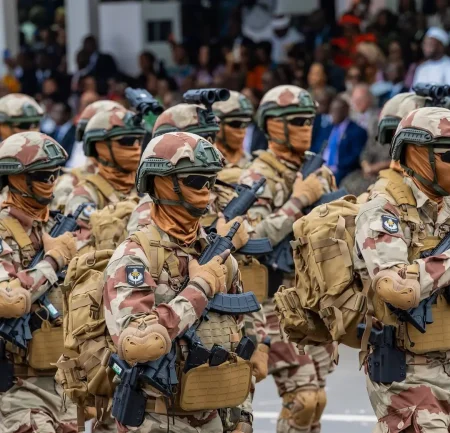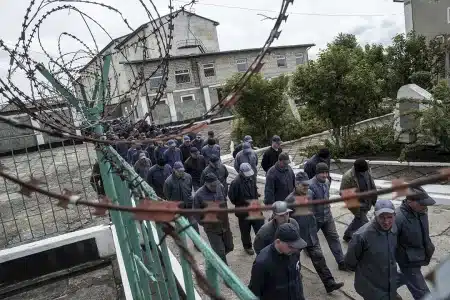


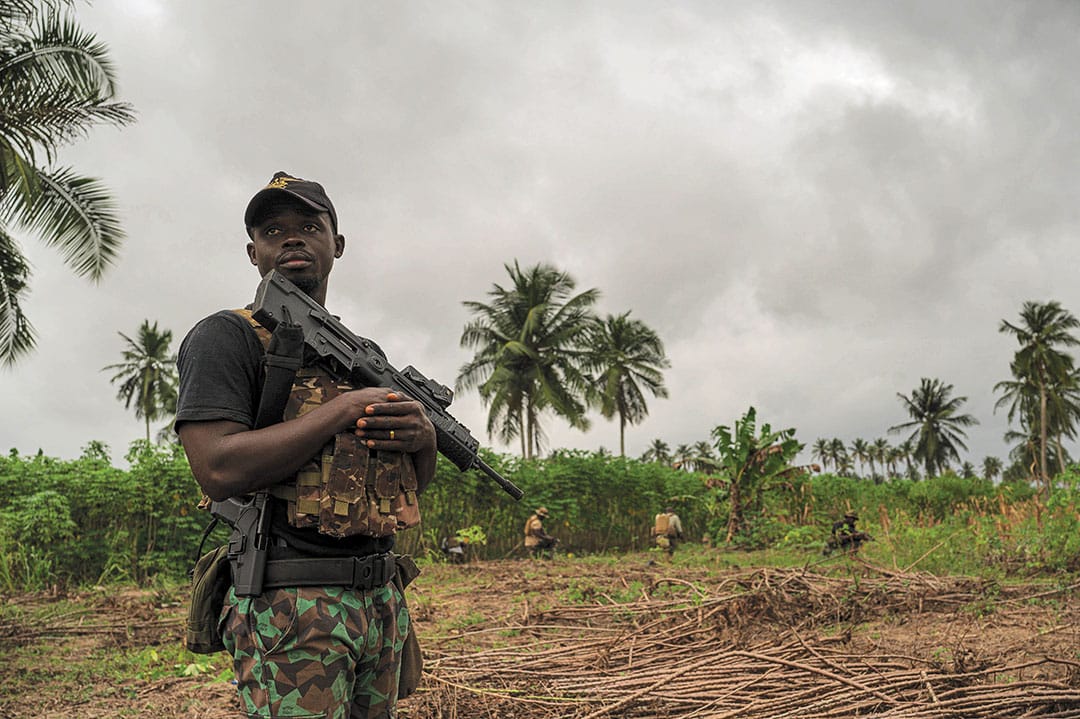
Transnational extremist networks systematically target security vacuums created by fragmented regional cooperation, unmonitored border corridors, and localized socio-political marginalization. This strategic exploitation has made the Sahel region the global epicenter of contemporary militancy, currently accounting for nearly half of all terror-related fatalities worldwide. Despite successive military coups in Burkina Faso, Mali, and Niger launched under the pretext of restoring public safety, insurgent expansion has accelerated, pushing deep toward the volatile coastal states of West Africa.
Proliferation of Global Terror Hubs Across the Continent
The security crisis is no longer confined to traditional operational zones. Over the past decade, factions affiliated with al-Qaeda and the Islamic State have claimed the lives of more than 150,000 people across the African continent. Highly active insurgent theaters now span from the Horn of Africa in Somalia, down through the Lake Chad Basin, into the Great Lakes region, and deep into northern Mozambique, overwhelming localized defense infrastructure and displacing millions of civilians.
The introduction of foreign mercenary groups by various military juntas has similarly failed to deliver stability, yielding instead increased civil casualties and institutional chaos. Emboldened by territorial vacuums left behind after conventional Western drawdowns, terrorist groups that previously lost significant territory in the Middle East have successfully repositioned their leadership cores to Africa. Their ultimate strategic ambition remains the establishment of a trans-border caliphate capable of permanently destabilizing subcontinental governance.
Multilateral Frameworks and Border Interdiction Models
Securing these vast operational sanctuaries requires an absolute shift away from isolated national defense strategies toward integrated, multi-state military doctrines. While political rifts within regional blocs present challenges, several successful bilateral security frameworks demonstrate the high efficacy of joint territorial defense:
-
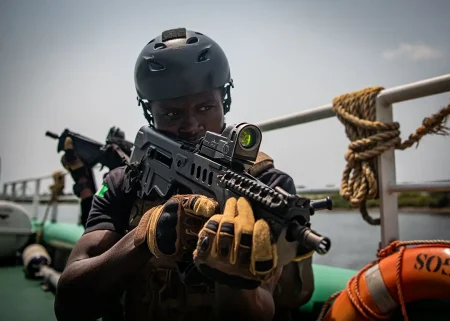
Senegal and Mauritania: These neighboring states have established continuous, highly synchronized joint patrols spanning both their maritime economic zones and porous land frontiers to intercept arms smuggling.
-
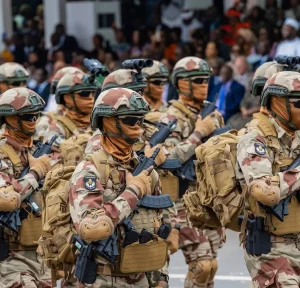
Côte d’Ivoire: In an effort to institutionalize tactical excellence, the country has opened its International Counter-Terrorism Academy (AILCT) to train specialized warfighters and intelligence officers from various African states.
-
Coastal-Sahelian Dialogues: Littoral West African nations are actively engineering new diplomatic and operational channels to maintain intelligence-sharing mechanisms with their inland Sahelian neighbors.
Denying Terrorists Sanctuary Through Intelligence Sharing
Denying fluid insurgent networks the spatial and social environment required to plan and launch asymmetric attacks hinges entirely on the immediate institutionalization of joint training exercises and real-time intelligence exchanges. Defense analysts emphasize that time is a critical vulnerability; as these extremist cells expand their reach, individual state borders offer little resistance against mobile guerilla tactics.
African military leaders and civilian policymakers must immediately maximize existing regional networks—such as the African Union and sub-regional standby forces—to rebuild trust and standardize counter-insurgency tactics. By locking down maritime boundaries, establishing electronic frontier surveillance, and addressing the governance voids that allow radicalization to take root, a unified subcontinental alliance can effectively squeeze extremist networks out of their remaining strongholds.