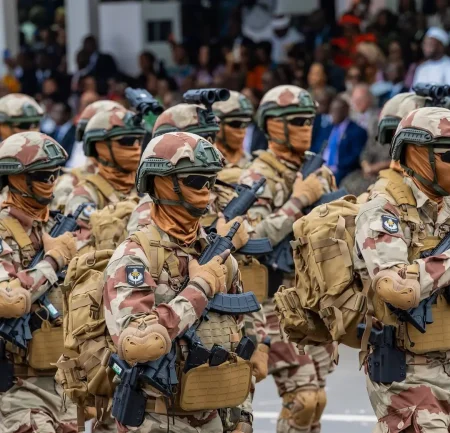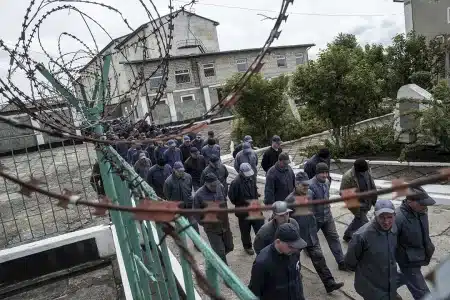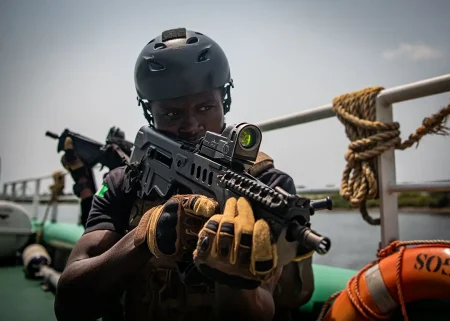

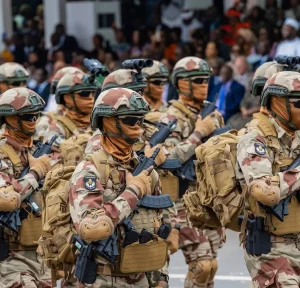
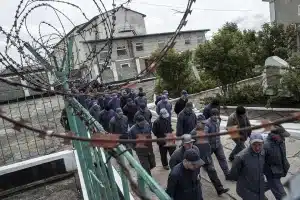

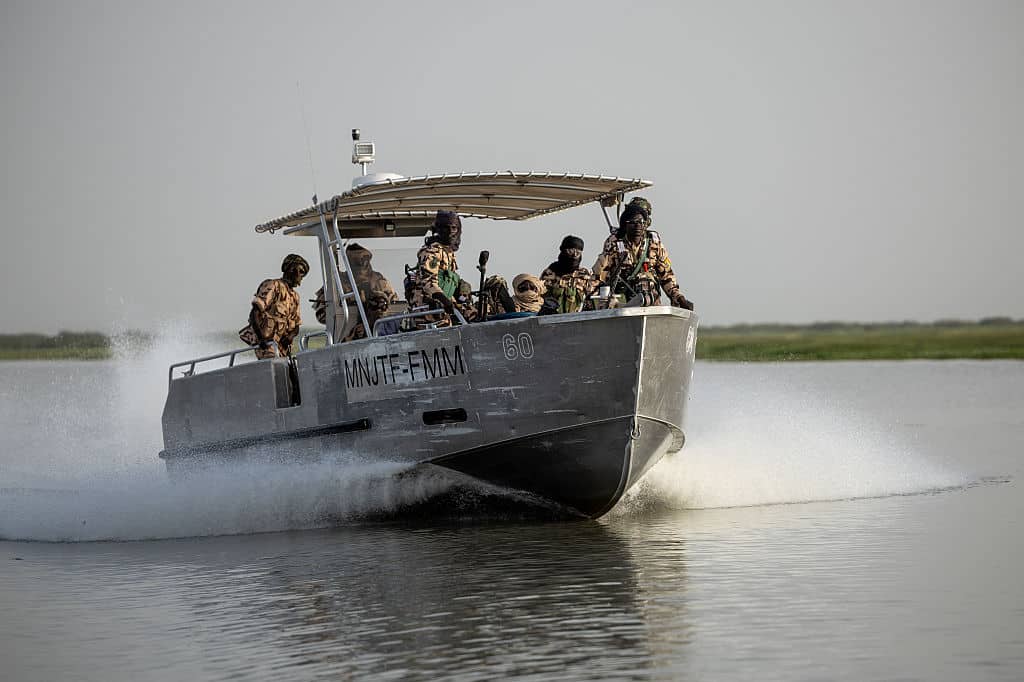
A deadly insurgent assault against a Chadian military base on a Lake Chad island in early May, which resulted in the deaths of nearly two dozen soldiers, has renewed urgent calls for structural and tactical reforms within regional defense frameworks. Security analysts warn that transnational extremist groups are rapidly adapting their strategies, requiring the Multinational Joint Task Force (MNJTF) to significantly elevate its technological capabilities and operational consistency to prevent a full-scale resurgence of militancy in the border regions.
The Shrinking Theater of Conflict and Evolving Rebel Tactics
Over the past decade, coordinated military offenses successfully dislodged Boko Haram and the Islamic State West Africa Province (ISWAP) from major urban population centers across Cameroon, Chad, Niger, and Nigeria. However, the fractured remnants of these extremist organizations have established resilient strongholds within the complex network of islands, dense marshes, and forests across the Lake Chad Basin. This remote terrain has transformed into a volatile battlefield, hosting both a brutal turf war between the rival factions for regional hegemony and ongoing asymmetric raids against state military installations.
While the MNJTF previously achieved historic milestones by rolling back militant territorial control to its lowest levels since 2014, the operational pause following the conclusion of Operation “Lake Sanity 2” has allowed the insurgent networks to aggressively recruit and rebuild. Furthermore, ISWAP has demonstrated advanced technical adaptation, increasingly deploying unmanned aerial vehicles (drones) for battlefield intelligence surveillance and modifying commercial drones into flying improvised explosive devices (IEDs) to target state security infrastructure.
Geopolitical Fragmentation and the Impact of Niger’s Withdrawal
The unified regional counter-terrorism front suffered a severe strategic blow following the unilateral withdrawal of Niger from the joint defense initiative. The ruling junta in Niamey pulled its forces from the alliance, leaving a critical security vacuum along the strategic Diffa border corridor. While the military government justified the redeployment as a necessary measure to safeguard its national oil pipeline to Benin against persistent pipeline sabotage, security analysts note the exit was deeply exacerbated by diplomatic fallout and political friction between Niger and Nigeria following the 2023 coup d’état.
This geopolitical fragmentation has profoundly disrupted regional defense integration:
-
Intelligence Blindspots: Niger’s departure, alongside its exit from the Economic Community of West African States (ECOWAS) in alliance with Mali and Burkina Faso, severely fractured shared counter-terrorism intelligence networks.
-
National Extrication Trends: The continuous, lethal attacks on Chadian forward operating bases have similarly prompted political leadership in N’Djamena to re-evaluate the costs and strategic utility of their continued participation in the joint task force.
-
Border Vulnerability: The lack of synchronized border patrols allows both Boko Haram and ISWAP to easily exploit national boundaries to evade pursuit.
Strategic Interventions and the Path Forward
Restoring the operational edge of the MNJTF requires the Lake Chad Basin Commission (LCBC) member states to immediately prioritize diplomatic reconciliation over localized political disputes. Defense researchers emphasize that neutralizing a fluid, transnational threat requires a unified command structure that cannot function effectively while frozen by bilateral diplomatic standoffs between neighboring states.
To prevent further erosion of security gains, the African Union may need to step in as a diplomatic mediator to rebuild trust and re-establish a truly collective regional defense perimeter. Militarily, the task force must transition toward an intelligence-driven, high-tech doctrine that combines advanced counter-drone systems with continuous preemptive kinetic operations, ensuring that vulnerable fishing communities and isolated military outposts are adequately insulated from the evolving insurgent threat.